How St. Xavier’s High School, Ghaziabad Aligns with Changing Educational Expectations in India
posted on Apr 10, 2026
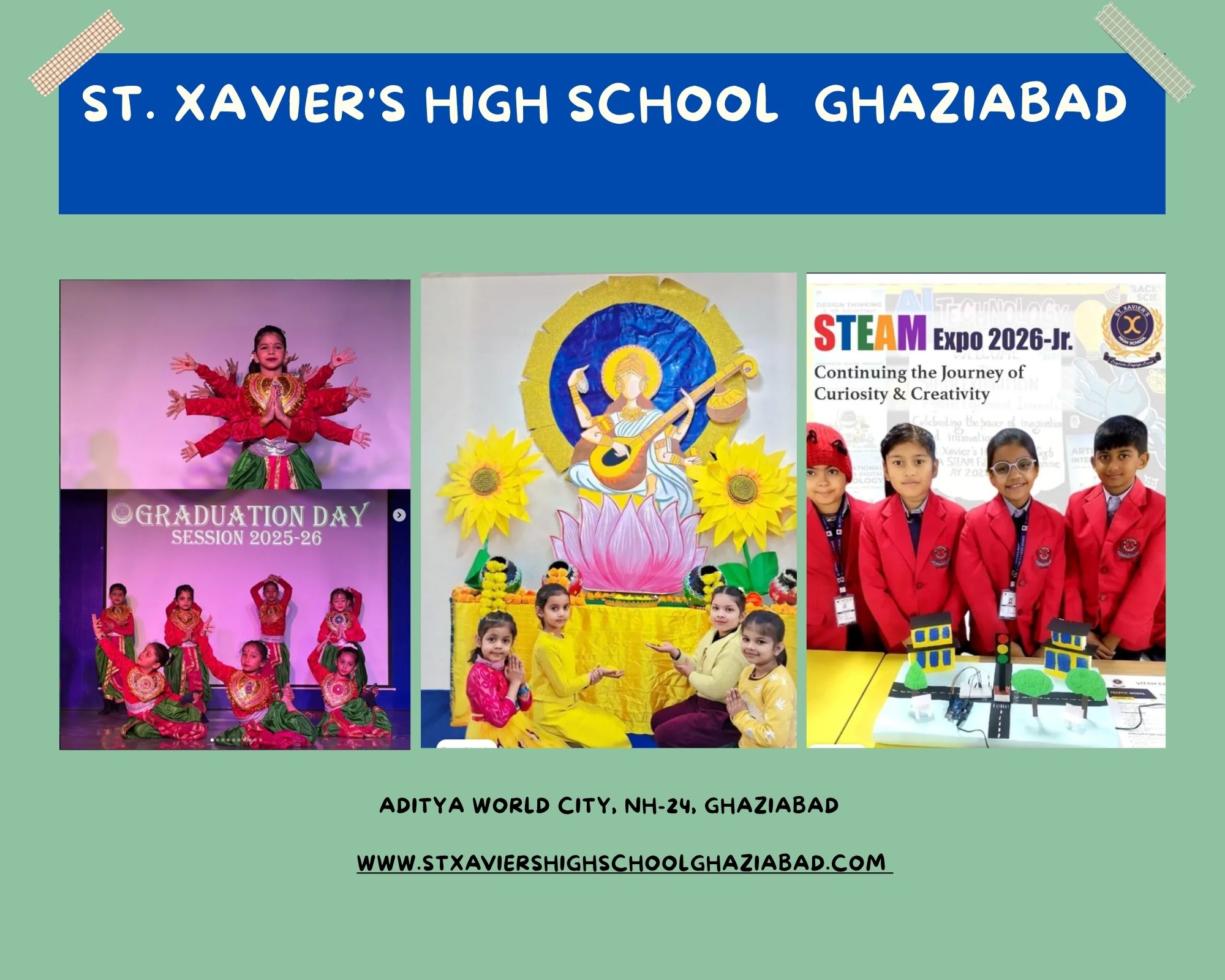
Over the past decade, families across urban India have witnessed a remarkable transformation in the way cities function and grow. In places like Ghaziabad and the neighbouring metropolitan region of Delhi, changing lifestyles, expanding opportunities, and the arrival of young working families have naturally influenced expectations from education. Consequently, parents today are no longer satisfied with schools that measure success only through academic scores.
Instead, they are seeking environments that nurture curiosity, emotional resilience, independent thinking, and responsible behaviour. As a result, education in India is gradually shifting towards a more holistic philosophy. Within this evolving landscape, institutions such as St. Xavier’s High School, Ghaziabad reflect the direction many families hope modern schooling will take.
This broader shift highlights a growing awareness among parents that education should shape not only knowledge, but character and perspective as well.
From Memorisation to Meaningful Understanding
To begin with, one of the most frequently discussed concerns among families is the traditional reliance on rote learning. While memorisation may help students perform well in examinations, it often limits their ability to apply concepts in real-life situations. Therefore, parents increasingly value classrooms where dialogue, inquiry, and reasoning are encouraged.
When students are guided to explore the logic behind ideas, learning becomes more engaging and purposeful. Moreover, this approach builds confidence and reduces anxiety associated with assessments. Over time, children develop the ability to think critically, articulate viewpoints, and approach problems independently. Consequently, education becomes a process of discovery rather than repetition.
Balancing Academic Structure with Relevance
At the same time, parents recognise the importance of a strong academic framework. Many find reassurance in institutions aligned with the Central Board of Secondary Education, since such affiliation provides consistency and national recognition. However, curriculum design alone does not define the learning experience. Rather, the manner in which subjects are taught plays an equally vital role.
When lessons are connected to practical experiences through experimentation, storytelling, and collaboration, students relate to knowledge more naturally. Furthermore, real-world application strengthens comprehension and retention. Thus, families increasingly appreciate educational settings where structure and relevance coexist, preparing children not only for examinations but also for future academic and professional challenges.
Recognising the Importance of Holistic Development
Beyond academics, parents are now more aware than ever that personal growth emerges from diverse experiences. Participation in sports, arts, cultural activities, and collaborative events contributes significantly to a child’s overall development. In addition, such engagement fosters communication skills, leadership qualities, teamwork, and discipline.
As children explore these avenues, they gain self-awareness and confidence. Consequently, they learn to manage responsibilities and express themselves effectively. This multidimensional development ensures that education extends beyond textbooks and contributes to shaping well-rounded individuals.
Strengthening Values in a Rapidly Changing World
Meanwhile, the contemporary environment presents new challenges and influences that were less prominent in earlier generations. Exposure to digital media, increasing competition, and shifting social dynamics make value-based education particularly essential. Therefore, parents increasingly prioritise institutions that emphasise empathy, respect, honesty, and responsibility.
When children are guided to reflect on ethical behaviour and social awareness, they develop emotional intelligence alongside intellectual capability. In turn, this balanced growth supports healthier relationships, responsible decision-making, and thoughtful citizenship. Ultimately, such values remain relevant long after formal schooling concludes.
Ensuring Emotional Security and Support
Equally important is the sense of safety and belonging that a school environment provides. Parents consistently consider emotional well-being and supportive communication when making educational choices. Accordingly, they favour spaces where children feel secure, encouraged, and understood.
Close collaboration between educators and families further strengthens this ecosystem. Through regular interaction and shared insights, a comprehensive understanding of a child’s progress can be maintained. As a result, students benefit from consistent guidance that supports both academic and personal development.
Integrating Technology Thoughtfully
In addition, the integration of technology has become an essential component of modern education. Nevertheless, parents often prefer a balanced approach where digital tools enhance rather than replace traditional teaching. Interactive resources and smart learning platforms can deepen engagement; however, meaningful human interaction remains fundamental.
When technology is used purposefully, students gain digital competence while maintaining interpersonal skills. Consequently, they are better prepared for the evolving demands of higher education and professional environments.
Reflecting on the Changing Landscape of Education
Taken together, these evolving expectations demonstrate a broader transformation in educational priorities across India. Parents today evaluate schooling not only in terms of academic results but also through the lens of personal growth, emotional well-being, and future readiness.
Therefore, selecting the right learning environment involves careful consideration, observation, and engagement. Visiting campuses, interacting with educators, and understanding teaching philosophies often provide clarity during this decision-making process.
For families exploring options aligned with these values, admissions for the 2026–27 academic session are open at St. Xavier’s High School, Ghaziabad. Parents interested in learning more about the curriculum, facilities, and educational approach may consider connecting with the institution to begin their exploration.
📌 Admissions Open for Session 2026–27
📍 Aditya World City, NH-24, Ghaziabad
👉 Visit: www.stxaviershighschoolghaziabad.com
