How St. Xavier’s High School, Ghaziabad Prepares Students for Future Careers
posted on Apr 10, 2026
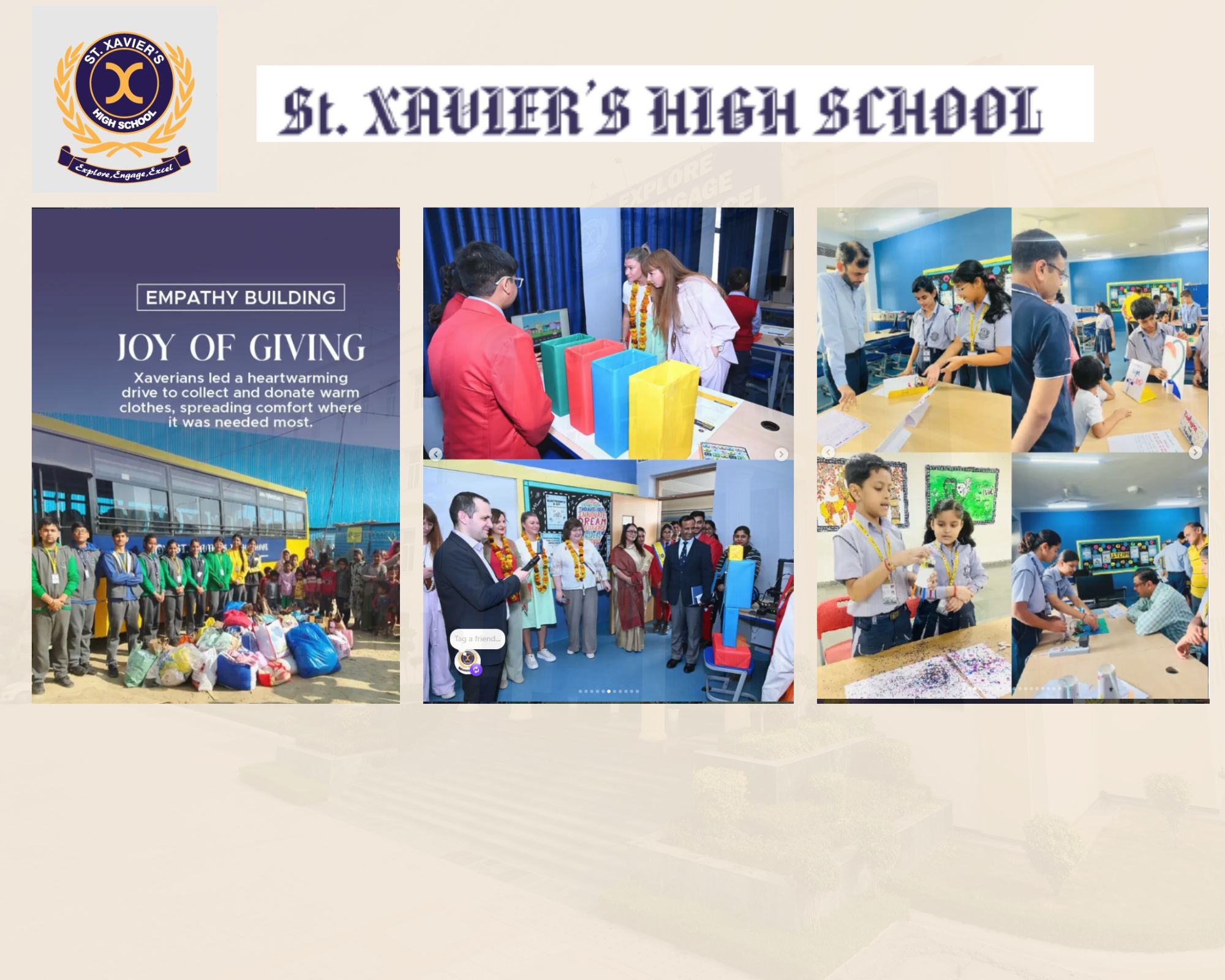
When parents think about their children’s future careers, the conversation often begins with higher education or subject choices in later years. However, the reality is far more layered. Career readiness starts much earlier, shaped by the learning environment, the habits children develop, and the mindset they build throughout their school journey.
Across evolving urban centres like Ghaziabad, families are increasingly looking for schools that nurture adaptability, emotional awareness, and independent thinking alongside academic strength. Within this context, institutions such as St. Xavier’s High School, Ghaziabad illustrate how foundational schooling can influence long-term career readiness.
Rather than treating career preparation as an outcome of senior classes alone, modern education emphasises cultivating abilities that support lifelong growth and evolving professional landscapes.
Strengthening Academic Foundations for Future Possibilities
To begin with, academic clarity remains essential in shaping a child’s future. When students develop a deep understanding of concepts, they are better equipped to pursue higher education and specialised fields later on. Consequently, many parents now prioritise learning environments that move beyond memorisation and encourage logical understanding.
Schools aligned with the Central Board of Secondary Education offer structured academic frameworks, yet their true value often lies in how lessons are delivered. When classroom interactions involve discussion, experimentation, and reflection, students engage more meaningfully with their subjects. As a result, they develop intellectual confidence and a mindset that values comprehension over recall.
This early academic strength frequently becomes the first step toward exploring diverse career paths with assurance.
Cultivating Critical Thinking and Decision-Making
In addition, the modern professional world demands analytical ability and thoughtful decision-making. Therefore, parents increasingly appreciate educational settings where questioning is encouraged and curiosity is nurtured. When students are invited to examine different perspectives, they begin to develop the capacity to evaluate situations independently.
Over time, such exposure enhances problem-solving skills and adaptability. Whether students later pursue science, technology, management, creative fields, or humanities, the ability to think critically remains universally valuable. Thus, early emphasis on reasoning prepares them for challenges that extend far beyond academic contexts.
Developing Communication and Expression
Equally important is the development of communication skills. Academic knowledge alone rarely determines career success. Instead, the ability to articulate ideas clearly often shapes opportunities and relationships in professional environments.
Through presentations, discussions, collaborative work, and language-focused activities, students gain confidence in expressing their thoughts. Gradually, they learn to listen actively, engage constructively, and present viewpoints persuasively. Consequently, these communication abilities support academic performance while simultaneously preparing students for interviews, teamwork, and leadership roles later in life.
Learning Life Skills Through Experience
Meanwhile, personal attributes such as resilience, discipline, and teamwork frequently influence long-term achievement. Exposure to co-curricular activities, sports, and cultural participation offers students opportunities to practise these qualities in real-world settings.
Participation teaches responsibility, time management, and adaptability. Moreover, experiencing both success and setbacks builds emotional maturity and perseverance. As students navigate these experiences, they gain practical insights that mirror professional environments, where collaboration and resilience are equally significant.
Integrating Technology into Everyday Learning
Furthermore, digital awareness has become integral to career readiness. Parents increasingly seek schools that incorporate technology thoughtfully, ensuring students are comfortable with modern tools while maintaining balanced learning habits.
When smart classrooms and digital resources complement teaching rather than dominate it, students benefit from both engagement and discipline. Consequently, they acquire familiarity with technological platforms while retaining essential interpersonal skills. This equilibrium prepares them for the demands of higher education and evolving career landscapes.
Nurturing Emotional Intelligence and Values
Beyond technical skills and academics, emotional intelligence continues to shape professional success. Therefore, value-based education plays a central role in preparing students for real-world environments. Encouraging empathy, respect, and responsibility helps students understand interpersonal dynamics and ethical decision-making.
As children learn to manage emotions and build meaningful relationships, they strengthen qualities that contribute to leadership and collaboration. Ultimately, these attributes remain relevant throughout personal and professional journeys.
The Role of School and Family Partnership
Finally, preparing students for future careers rarely occurs in isolation. Collaboration between educators and families ensures continuity in guidance and support. Through regular communication and shared understanding of a child’s development, strengths can be nurtured and challenges addressed effectively.
This partnership allows children to experience consistent encouragement, creating a stable foundation for exploring interests and ambitions confidently.
Looking Ahead
In today’s evolving educational landscape, preparing students for future careers means fostering curiosity, resilience, communication, and adaptability from an early stage. Schools that integrate academic depth with holistic development contribute significantly to shaping confident and capable individuals.
For families exploring learning environments aligned with these priorities, admissions for the 2026 to 2027 academic session are open at St. Xavier’s High School, Ghaziabad. Parents interested in understanding the curriculum, facilities, and educational philosophy may consider connecting with the institution to learn more about how it supports long-term student growth.
📌 Admissions Open for Session 2026–27
📍 Aditya World City, NH-24, Ghaziabad
👉 Visit: www.stxaviershighschoolghaziabad.com
